Türkçe
 English
Egg Export Quotas Increased to 5,000 Tons to Stabilize the Market
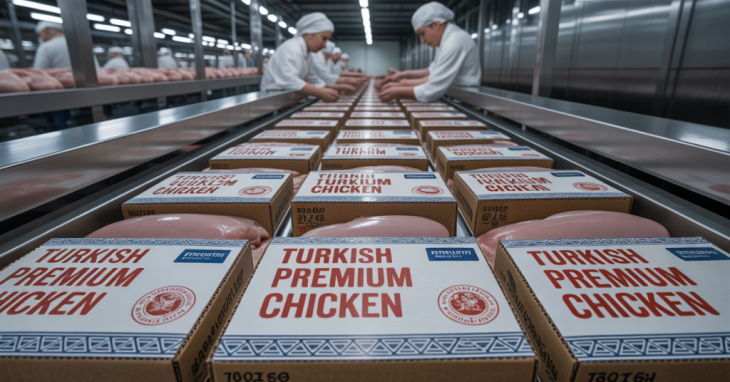
The Turkish Egg Producers Central Union (YUM-BİR) has announced a significant policy shift, increasing the monthly egg export quota from 1,000 tons to 5,000 tons. This strategic move is designed to provide "breathing room" for producers as the industry enters the "May Dip"—a traditional seasonal period characterized by decreased domestic consumption and downward price pressure.
Core Analysis: Navigating Logistics and Demand
Despite regional logistical bottlenecks, Turkey continues to demonstrate its resilience as a top-tier global egg supplier.
- Quota Expansion: The 500% increase in the monthly quota allows approximately 80 million eggs to reach international markets. This volume represents Turkey's total production for a single day, ensuring that the surge in exports does not compromise domestic price stability.
- Geographical Pivot: While the ongoing tensions in the Strait of Hormuz have complicated logistics for the Gulf region (Turkey’s primary market), a significant uptick in demand from European Union (EU) countries has been observed over the last quarter.
- Export Versatility: Turkey currently exports to 39 countries, with consistent shipments to 19 major markets. Furthermore, all export restrictions on "small-size" eggs (under 53g), which have a limited domestic market, have been fully lifted.
ASM Global Strategic Perspective
As a Global Trade Expert, ASM Global views this quota expansion as a critical balancing act. By shifting focus toward the EU market amid Middle Eastern logistical risks, Turkish exporters can maintain production momentum. The controlled easing of quotas ensures that producers can clear excess inventory without triggering domestic inflation, fostering a sustainable trade ecosystem for 2026.