Türkçe
 English
Gulf Trade Faces Sharp Slowdown: 40% Export Contraction Expected for
March Date: March 18, 2026
Source: Economy Service / Market Analysis Reports
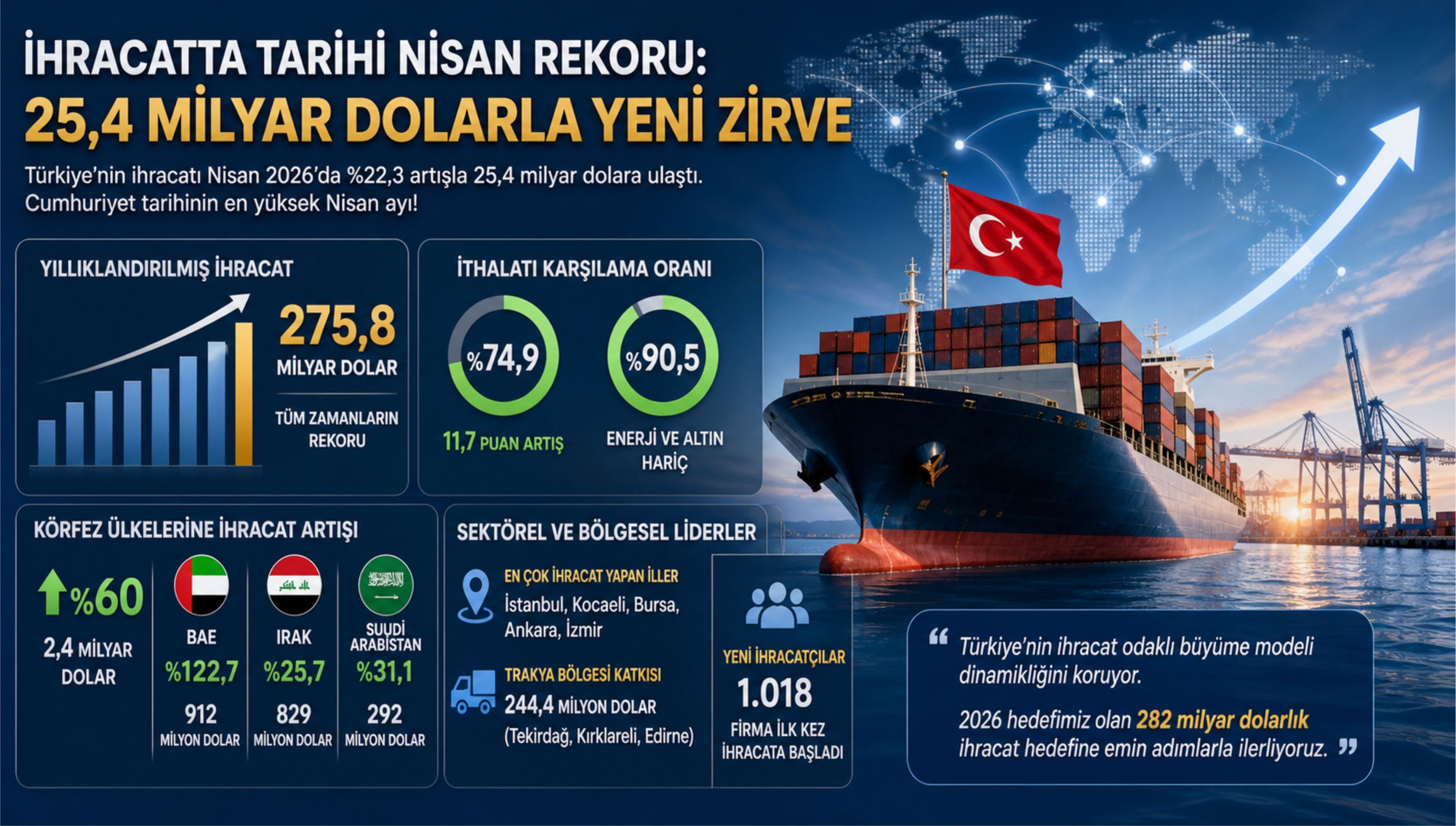
The Gulf market, a cornerstone of Turkey’s international trade strategy, is signaling a significant downturn in March 2026. Current data reveals a decline of up to 40% in exports to the region, while monthly growth expectations have turned negative. This development is viewed not merely as a short-term fluctuation but as a reflection of structural shifts in global trade dynamics.
Key Dynamics of the Contraction
- Rising Competitive Pressure: Escalating logistics costs are eroding Turkey’s price advantage in the Gulf, while Asia-based manufacturers gain ground with low-cost shipping benefits.
- Supply Chain Shifts: High freight costs are prompting Gulf importers to turn toward geographically closer suppliers.
- Cost-Based Pressure: Increases in insurance premiums, port fees, and operational expenses are squeezing exporters' profit margins, leading to more cautious shipping policies.
- Geopolitical Factors: Regulations encouraging local production within the region are strengthening the trend to reduce dependency on foreign suppliers.
Sectoral Impacts
While the contraction does not affect all sectors equally, market loss is more pronounced in specific areas:
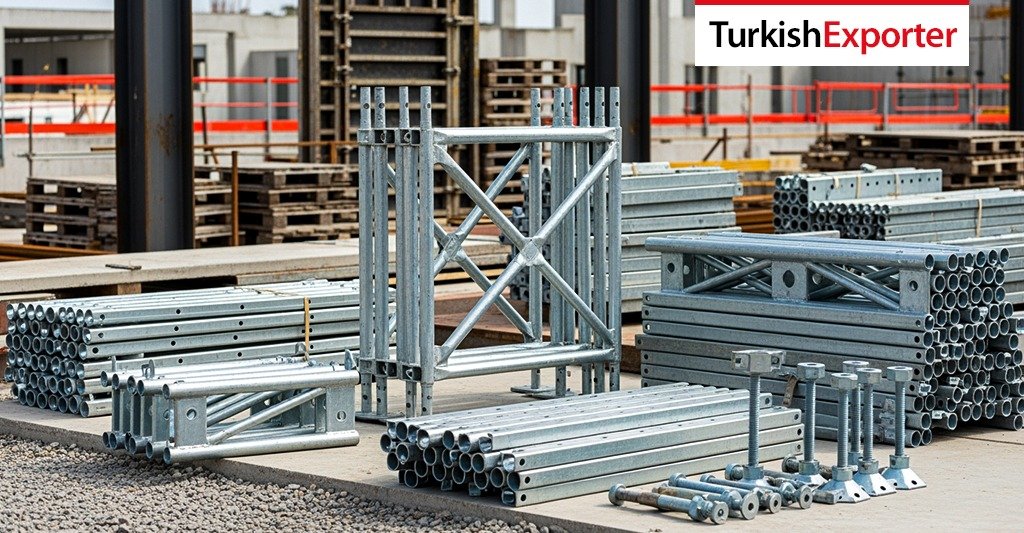
- Construction and Building Materials: A slowdown in regional mega-projects is impacting this sector.
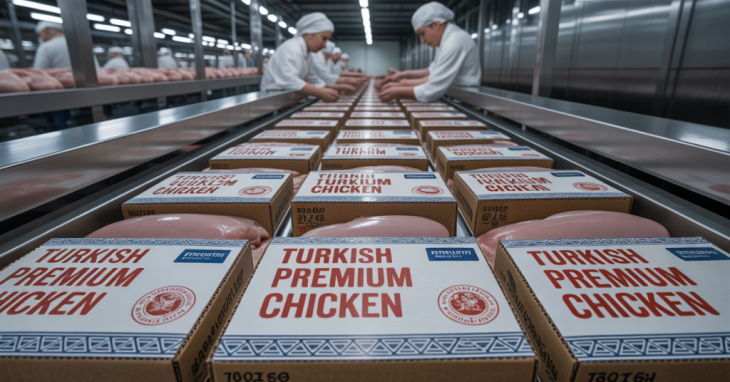
- Food and Agriculture: The shift toward alternative suppliers has accelerated in this field.
- Textiles: A decline in market share is observed due to intense price competition.
- Machinery and Industry: This sector remains relatively more resilient thanks to long-term contracts.
ASM Global Strategic Evaluation
According to ASM Global, this 40% contraction signals a structural transformation. Our critical action plans for exporters during this period include:
- Logistics Optimization: Developing alternative routes and consolidation solutions.
- Market Diversification: Focusing on new target markets such as Africa, South Asia, and Eastern Europe.
- Digital Trade: Strengthening e-export and platform-based sales channels.
- Cost Management: Minimizing expenses through integrated supply chain solutions.