Türkçe
 English
The Rise of Pet Menus: Turkey Leads Pet Food Exports with a "Halal" Advantage!
Turkey is leveraging its logistical strengths and production quality in a rapidly growing niche: the pet food sector. Recent data from the Association of Cat and Dog Food Manufacturers (MAMADER) proves that the industry is not just growing, but capturing a strategic global market.
A $150 Million Success Story
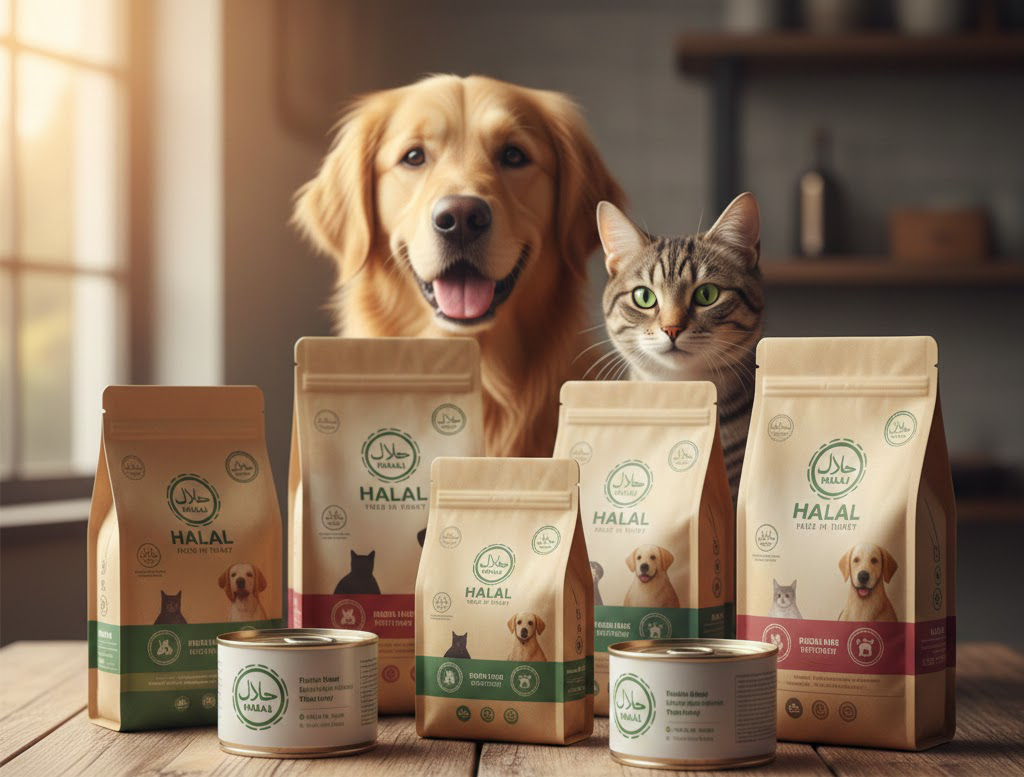
Closing 2025 with a record-breaking $150 million in exports, Turkish pet food manufacturers have revealed the secret hero behind this success: Halal Certified Production. While Halal certification is traditionally associated with human food, it has now become a decisive factor for pet owners in key international markets.
The "Trust" Factor in the Middle East
The pet ownership rate is skyrocketing in Middle Eastern countries, particularly in Saudi Arabia, the UAE, and Qatar. Consumers in these regions prioritize not only ingredient quality but also the ethical and religious compliance of production processes.
- Ingredient Assurance: Halal certification guarantees that the food contains no pork derivatives or ingredients deemed inappropriate by religious standards.
- Hygiene Standards: The certification process mandates that facilities adhere to the highest levels of hygiene and traceability.
Why Now? Understanding Global Trends
The global trend of "pet humanization" means pets are now treated as family members. Owners are reflecting their own values—whether organic, vegan, or Halal—onto their pets' diets. Turkey has successfully read this trend, acting as a bridge that combines European quality standards with Eastern sensitivities.
2026 Vision: Aiming Higher
According to MAMADER, the goal for 2026 is to expand beyond existing markets and become a leading player in high-population Muslim countries like Malaysia and Indonesia. Exports are projected to break the $200 million barrier in the coming year.
Editor’s Note: "The surge in Turkey’s pet food production is more than just an economic victory; it is a prime example of transforming local raw materials (agricultural and livestock by-products) into high-value-added exports."