Türkçe
 English
Potential Impact of a U.S.–Iran Conflict on Regional Exports
1. Geopolitical Risk and Logistics Flows
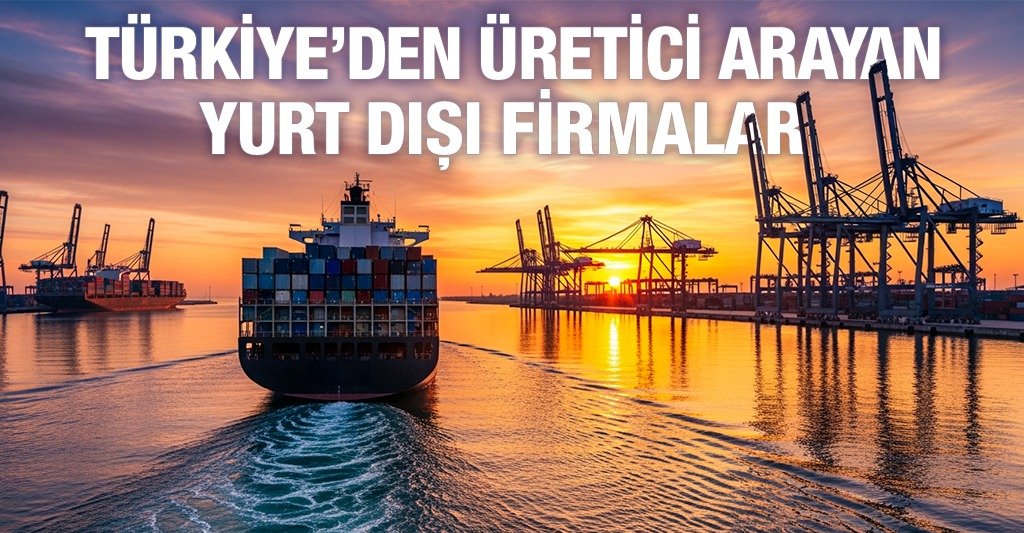
Heightened security risks in the Persian Gulf and around the Strait of Hormuz could directly affect maritime trade. Increased insurance premiums, freight rates, and longer delivery times are among the most immediate consequences. These risks extend beyond Iran to key regional exporters and transit hubs such as Iraq, Kuwait, United Arab Emirates, and Saudi Arabia.
2. Energy Markets and Export Costs
In an escalation scenario, oil and natural gas prices are likely to experience sharp short-term volatility. Higher energy prices increase production and transportation costs, placing pressure on exporters’ cost competitiveness. While energy-exporting countries may benefit from temporary revenue gains, medium-term demand adjustments and alternative supply routes could offset these advantages.
3. Contraction Risk in Iran-Centered Trade
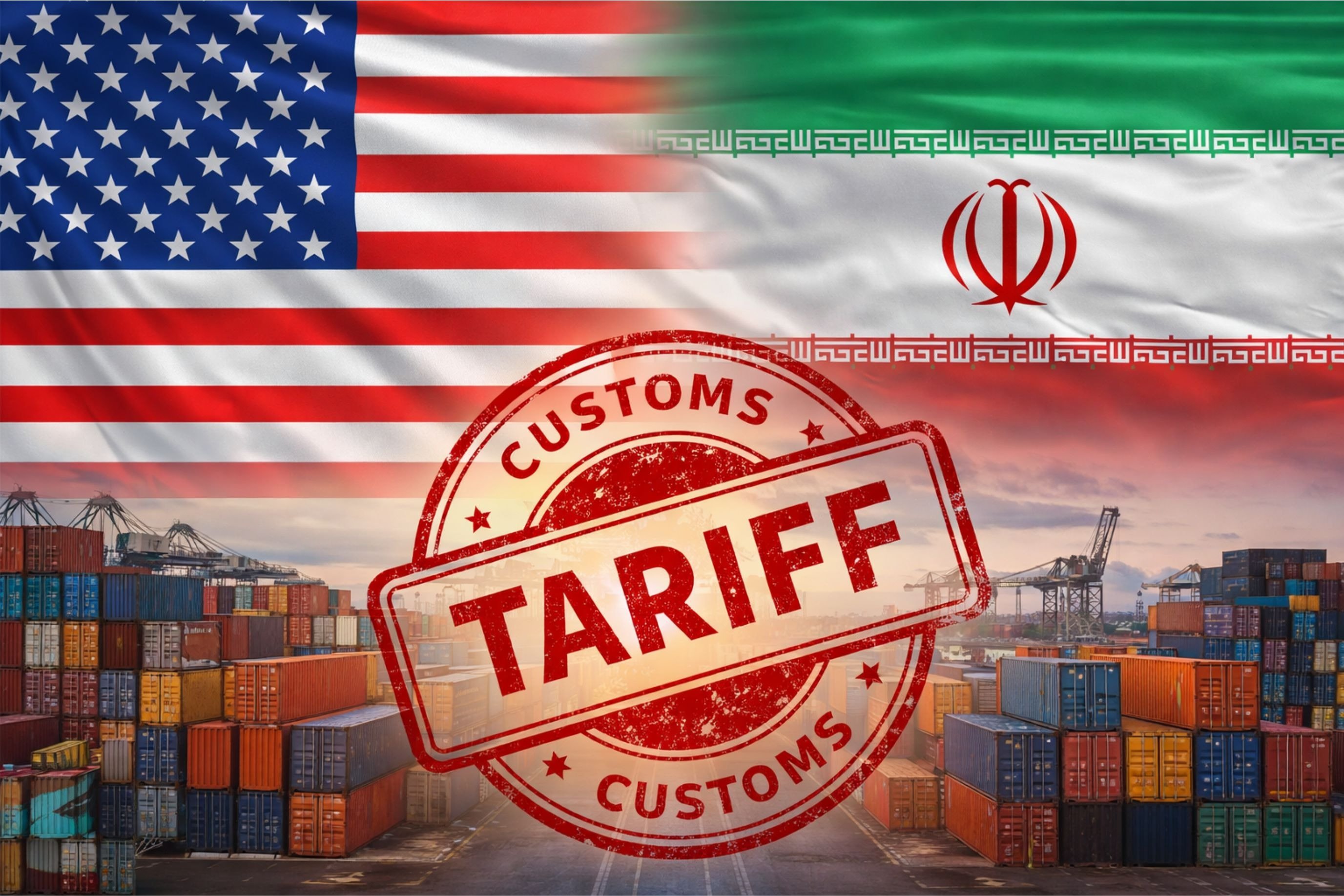
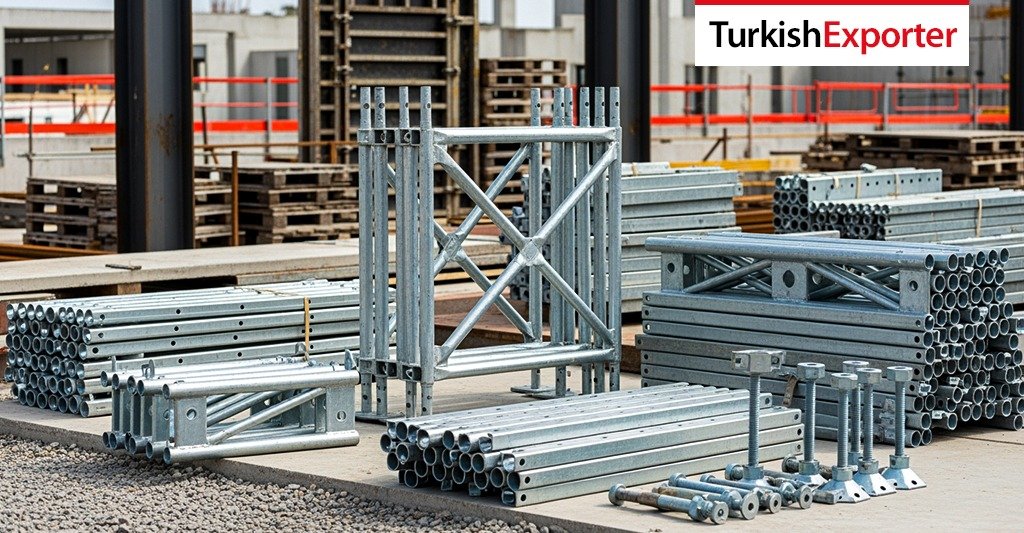
A military confrontation would likely be accompanied by stricter sanctions on Iran. This would raise payment risks, financing constraints, and market losses for companies trading directly or indirectly with Iran. Sectors such as food products, construction materials, and industrial goods may face notable export declines.
4. Indirect Effects and Opportunities for Türkiye
Türkiye could strengthen its role as an alternative supplier due to its geographic proximity, industrial capacity, and logistics infrastructure. However, regional instability may also disrupt land routes, border trade, and payment channels in the short term. In the medium term, gaps left by reduced Iranian exports could create new opportunities for Turkish exporters.
5. Medium-Term Trade Repositioning
Prolonged uncertainty would likely push exporters toward market diversification, alternative logistics corridors, and more conservative contractual and financial structures. Such adjustments may lead to a structural rebalancing of Middle Eastern export routes and trade partnerships.
Conclusion
A potential U.S.–Iran military conflict would expose regional exports to higher costs and uncertainty in the short term, while accelerating shifts in trade routes and supplier structures in the medium term. For exporters, effective risk management, secure financing mechanisms, and diversified markets will be critical to maintaining resilience.
Date: 28 January 2026
Editor’s Note: This analysis is based on current geopolitical developments and evaluates potential scenarios and their likely impact on regional exports. Assessments may be revised as conditions evolve.
Editor’s Note: This analysis is based on current geopolitical developments and evaluates potential scenarios and their likely impact on regional exports. Assessments may be revised as conditions evolve.